Category: Thailand

Wat Phra Kaew: Unraveling the Rich Tapestry of Thailand’s Hallowed Grounds

Wat Phra Kaew: Unraveling the Rich Tapestry of Thailand’s Hallowed Grounds

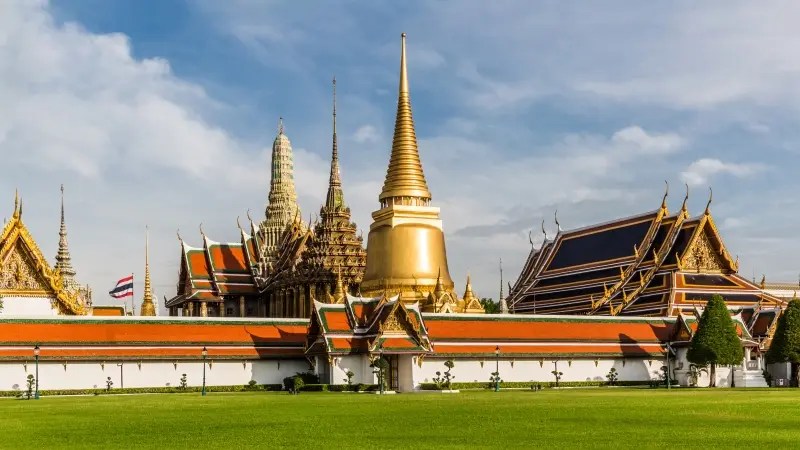
Ensconced in the bustling epicenter of Bangkok, Thailand’s effervescent capital, Wat Phra Kaew, commonly known as the Temple of the Emerald Buddha, emerges as a bastion of spiritual heritage and Thai tradition. This sacred haven unfolds a captivating narrative of history and presents a breathtaking spectacle of architectural brilliance.

This comprehensive discourse navigates through the fascinating chronicles of Wat Phra Kaew, illuminates the enthralling aspects that beckon visitors, delineates its geographic position and the pathways to it, highlights the best time for exploration, and showcases the unique attractions the temple embodies.

The Past Echoes of Wat Phra Kaew

Wat Phra Kaew’s existence is deeply enmeshed with the genesis of Bangkok as the heartland of Thailand. King Rama I’s ascension to the throne in 1782 marked the shift of the capital from Thonburi to Bangkok, and heralded the construction of the Grand Palace.

Within the confines of this palace complex, King Rama I envisaged a royal temple that would enshrine the esteemed Emerald Buddha, a jade figurine unearthed in Chiang Rai in the 15th century.

Built devoid of any residential quarters for monks, an attribute distinctive from other Thai temples, Wat Phra Kaew was specifically designed as a venue for royal religious ceremonies.

The centuries that ensued witnessed successive Thai monarchs enhancing the temple complex with extraordinary edifices and artworks, morphing it into the breathtaking spectacle that it remains to this day.

Compelling Reasons to Visit Wat Phra Kaew

  1. Insignia of Thai Spirituality: Wat Phra Kaew represents the spiritual nucleus of Thailand, safeguarding the revered Emerald Buddha. Despite its diminutive size, the statue embodies an immense religious import and stands as a potent emblem of Thai identity.
  2. Architectural Masterpiece: The temple complex is a testament to the exquisite Thai art and architectural style, displaying an impressive variety of embellished structures, sculptures, and murals – a visual banquet for art aficionados and casual spectators alike.
  3. Cultural and Historical Vibrancy: Serving as a focal point for Thai cultural and historical narratives, the temple allows visitors to immerse themselves in the country’s abundant legacy.

Location and Route

Wat Phra Kaew finds its place within the Grand Palace complex in Bangkok’s Phra Nakhon District. Here are several methods to access the temple:

  • By River Ferry: The most enjoyable and picturesque way to reach Wat Phra Kaew is by riding the Chao Phraya Express Boat to Tha Chang Pier. A brief stroll from there leads to the Grand Palace complex.
  • By Taxi or Tuk-tuk: The temple can also be reached via a taxi or tuk-tuk ride from any location within central Bangkok.
  • By BTS Skytrain: While there’s no direct BTS Skytrain station near the temple, you can use the Silom Line to reach Saphan Taksin station, followed by a ride on the Chao Phraya Express Boat to Tha Chang Pier.

Ideal Time to Visit

Wat Phra Kaew welcomes visitors all through the year. Nevertheless, certain timings and periods could make your visit more pleasant and enjoyable:

  • Early Morning: An early daybreak visit allows you to experience the temple complex before the surge of crowds and the peak of daytime heat.
  • Dry Season (November to February): The weather is most agreeable during this period. However, be prepared for larger crowds as it is also the peak tourist season.

Unique Attractions at Wat Phra Kaew

  1. The Emerald Buddha: Enshrined within the central ubosot (ordination hall), the Emerald Buddha is the centerpiece of Wat Phra Kaew. Visitors can marvel at the statue from the hall’s entrance, as direct access is restricted.
  2. Ubosot and Concourse: The ubosot and its encompassing concourse exhibit an astounding array of architectural elements, including a golden chedi, intricately sculpted statues, and stunning murals narrating episodes from the Ramakien, the Thai adaptation of the Ramayana epic.
  3. Phra Mondop: This elaborate library structure, adorned with mother-of-pearl and gold, exemplifies the unmatched skill and creativity of Thai artisans.
  4. Replica of Angkor Wat: A meticulously detailed scale model of Cambodia’s famed Angkor Wat offers an intriguing visual insight into the celebrated Khmer temple complex.

Conclusion

Wat Phra Kaew unravels an unmatched journey into the essence of Thai spirituality, culture, and history. As the sacred haven of the Emerald Buddha and an impressive canvas of Thai artistic genius, it stands as a must-visit destination for anyone journeying to Bangkok. Regardless of whether you’re a spiritual seeker, a history enthusiast, or an observer appreciative of art and culture, Wat Phra Kaew guarantees an experience that is both profound and deeply enriching.
Wat Rong Khun: Decoding the Mystique and Allure of Thailand’s White Masterpiece

Wat Rong Khun: Decoding the Mystique and Allure of Thailand’s White Masterpiece

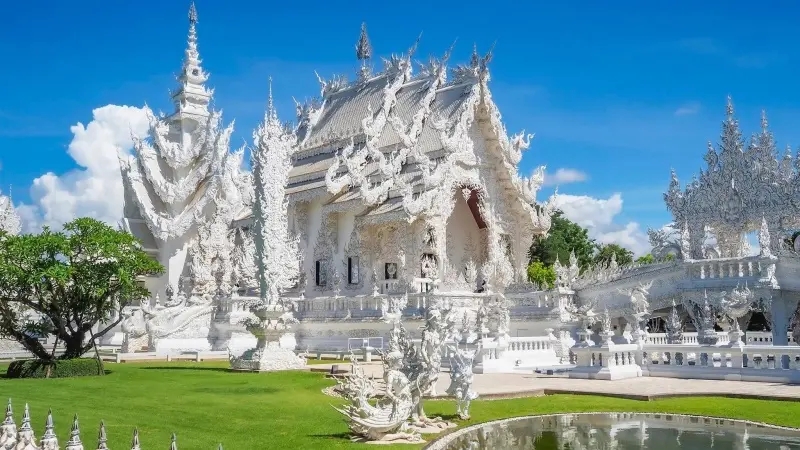
Famed as the White Temple, Wat Rong Khun is a distinct Buddhist sanctuary located in Chiang Rai, Thailand. The temple’s design is a radical departure from the traditional Thai temple architecture, marking a clear distinction with its avant-garde, unconventional, and impressive stylistic choices.

This piece invites you on a journey through Wat Rong Khun’s captivating history, explores its allure as a visitor attraction, delineates its geographical specifics and the optimal routes to reach it, pinpoints the ideal visiting times, and accentuates the temple’s uniquely attractive features.

The Historical Tapestry of Wat Rong Khun

Wat Rong Khun embarked on its enthralling trajectory in 1997, shepherded by Thai artist Chalermchai Kositpipat. Alarmed by the deteriorating condition of his local temple, Chalermchai embarked on a mission to restore it.

The artist personally designed and funded the project, visualizing it as a tribute to Buddha and a medium to eternalize his artwork.

In contrast to the traditional Buddhist temples, Wat Rong Khun represents a harmonious blend of art, religion, and philosophy. Although the principal building was completed in 1997, the project as a whole is far from over. The artist’s grand plan envisions additional buildings within the temple complex, with the project’s completion slated for 2070.

The Lure of Wat Rong Khun

1. Artistic Mastery

Wat Rong Khun is the creative brainchild of a revered Thai artist, thereby distinguishing it as an embodiment of modern art as opposed to a conventional religious monument. The gleaming white structure, ornamented with fragments of mirrors, crafts a unique and surreal visual extravaganza.

2. Symbolism

The temple is replete with symbolic interpretations drawn from Buddhist and Hindu traditions, as well as modern motifs. These create a thought-stimulating exploration of spirituality, human existence, and the cosmos.

3. Breaking Norms

The White Temple establishes itself as a beacon of non-conformity. From the spine-chilling “bridge of the cycle of rebirth” to the Ubosot (main temple hall) laden with contemporary references, Wat Rong Khun boldly challenges the norms of Thai temple aesthetics.

Geographical Positioning and Commute

Wat Rong Khun is situated in Chiang Rai, the northernmost province of Thailand. The following are the most convenient ways to reach it:

  • By Car or Taxi: The temple is about a 15-kilometer drive southwest of the Chiang Rai city center. You can employ a taxi, rent a vehicle, or opt for a motorbike ride to reach it.
  • By Bus: From Chiang Rai’s Bus Terminal 1, take a local bus headed towards Baan Du and notify the driver to halt at Wat Rong Khun.

Best Time to Visit

Wat Rong Khun is open for visitors throughout the year. However, specific periods may present a more rewarding experience:

  • Early Morning: Opting for an early morning visit helps evade large crowds and the heat of the midday sun, enabling you to soak in the temple’s intricate details in tranquillity.
  • Dry Season (November to April): These months witness lesser rainfall in Thailand, making it an opportune time for outdoor exploration.

Highlights of Wat Rong Khun

1. The Bridge of the Cycle of Rebirth

This bridge, which visitors must cross before entering the main temple, traverses over a pit of outstretching hands, symbolizing human desires. It embodies the voyage towards enlightenment.

2. The Ubosot

Wat Rong Khun’s main building is a majestic spectacle in white, signifying Buddha’s purity. The interior, however, presents a striking contrast, teeming with vibrant murals depicting scenes from Buddhist teachings interspersed with contemporary figures and events.

3. Golden Building

A restroom facility sheathed in gold leaf poses a contrasting image to the white temple, representing worldly desires and greed.

4. The Pond

The temple premises incorporate a serene pond inhabited by koi fish. Their vivid colors set against the white temple’s backdrop offer a visually delightful scene.

In Conclusion

Wat Rong Khun offers an enchanting journey through the amalgamation of traditional Buddhist teachings, modern art, and philosophy.

As a white spectacle adorned with thoughtful symbolism and intricate details, it provides a deepened comprehension of Buddhist concepts and a novel perspective on religious art. Whether you’re a spiritual explorer, an art aficionado, or an enthusiast of cultural excursions, Wat Rong Khun ensures a visit teeming with fascination and wonder.

Khao Sok National Park: Embracing Thailand’s Rainforest Gem

Khao Sok National Park: Embracing Thailand’s Rainforest Gem

Venturing into the realm of Thailand’s natural grandeur uncovers a spectrum of priceless wonders, with Khao Sok National Park prominently shining as an extraordinary diamond.

Revered as one of the planet’s most ancient rainforests, it unfurls as a lush sanctuary alive with an incredible range of life, breath-taking landscapes, and spellbinding escapades.

In the forthcoming discussion, we’ll elucidate why Khao Sok deserves a prime spot on your travel itinerary, simplify its geographical location and the methods to reach there, suggest the optimal period for your visit, and illuminate the awe-inspiring sights and experiences that await your discovery.

Reasons to Visit Khao Sok National Park

1. A Refuge of Biodiversity

Khao Sok National Park emerges as a dream destination for nature enthusiasts, parading an awe-inspiring variety of flora and fauna. This includes an excess of 200 species of mammals and birds, comprising the Malayan sun bear, Asian elephant, and a diversity of hornbill species.

2. Spectacles of Geology

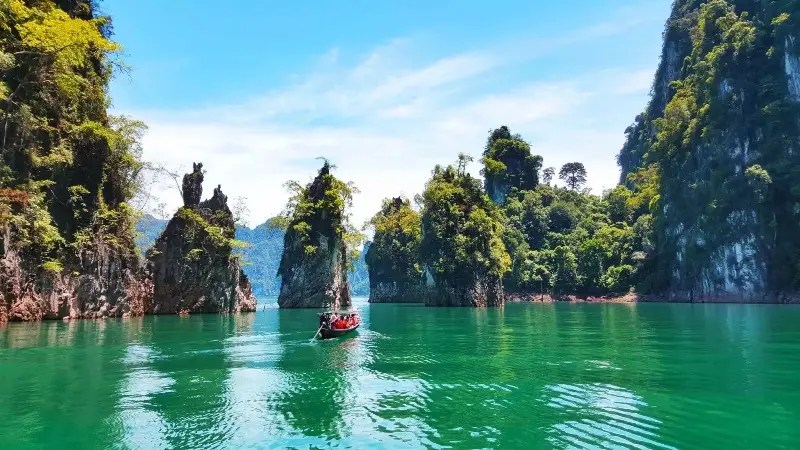
Khao Sok flaunts an awe-inspiring terrain laden with sky-piercing limestone cliffs, profound valleys, and complex cave networks. The showstopper, however, is Cheow Lan Lake, an artificial reservoir adorned with floating raft houses and mesmerizing panoramas.

3. Centre of Adventure

From trudging through dense jungles and paddling down the Sok River to unveiling the secrets of mysterious caves and embarking on wildlife-spotting safaris, Khao Sok serves as a banquet of activities to quench your thirst for adventure.

Location and Access to Khao Sok National Park

Khao Sok National Park is situated in Southern Thailand, extending across the provinces of Surat Thani and Phang Nga. Here are the most convenient modes to reach it:

  • By Air: The nearest airports are stationed in Surat Thani and Phuket. From these locations, you can book a taxi or board a local bus to Khao Sok.
  • By Bus: Regular buses commute from Bangkok to Surat Thani, requiring about 10-11 hours. From Surat Thani, local buses or minibuses can transport you to the park.
  • By Train: Daily trains operate from Bangkok to Surat Thani, which can be followed by local buses or taxis to the park.

Ideal Time to Visit

Khao Sok National Park welcomes visitors throughout the year, but the experience diversifies based on the season:

  • Dry Season (December to April): This timeframe offers agreeable weather, making it suitable for hiking, wildlife viewing, and various outdoor activities. However, this is also the high tourist season, so be prepared for larger crowds.
  • Wet Season (May to November): The rain rejuvenates the forest, with waterfalls at their mightiest and vegetation at its greenest. Wildlife is also more active during this period. However, some trails might be unreachable due to rain, and certain activities, like river canoeing, may pose safety risks.

Highlights of Khao Sok National Park

1. Cheow Lan Lake

This expansive man-made lake, with its azure waters enclosed by limestone karsts, is a sight to behold. Visitors can hire a bamboo raft or kayak to traverse the lake or even experience an overnight stay in a floating raft house.

2. Wildlife Safaris

Guided safaris offer the opportunity to spot a vast range of animals, including gibbons, langurs, deer, wild boars, and numerous bird species. If fortune favours, you might even sight the elusive Asian elephant or Malayan tapir.

3. Hiking Trails

The park boasts a comprehensive network of trails catering to all skill levels. Along the journey, hikers can admire the majestic ancient trees, concealed waterfalls, and the diverse plant life, featuring the world’s largest flower, the Rafflesia.

4. Caves

Khao Sok is home to several fascinating caves, like Nam Talu and Diamond Cave. Visitors can delve inside to admire the stalactite and stalagmite formations and meet unique cave-dwelling creatures.

Conclusion

A journey into Khao Sok National Park is an immersive voyage into the heart of Mother Nature. Its rich biodiversity, breath-taking landscapes, and adventurous pursuits qualify it as an irresistible destination for nature aficionados, thrill-seekers, and those seeking respite from urban chaos. A visit to Khao Sok is not merely a holiday—it’s an occasion to establish a bond with the primordial world and explore Thailand’s untamed side.